


Putting Tips from Ronnie Pritchett | Ashdon Golf

From the Founder

PUTTING
TIPS.

Ronnie Pritchett has spent a lifetime studying the short game. Here are the drills and principles he swears by — tested over decades on the course and in national competition.

THE BEST PUTTING AID FOR UNDER $2

Tip 01

THE BEST PUTTING AID FOR UNDER $2

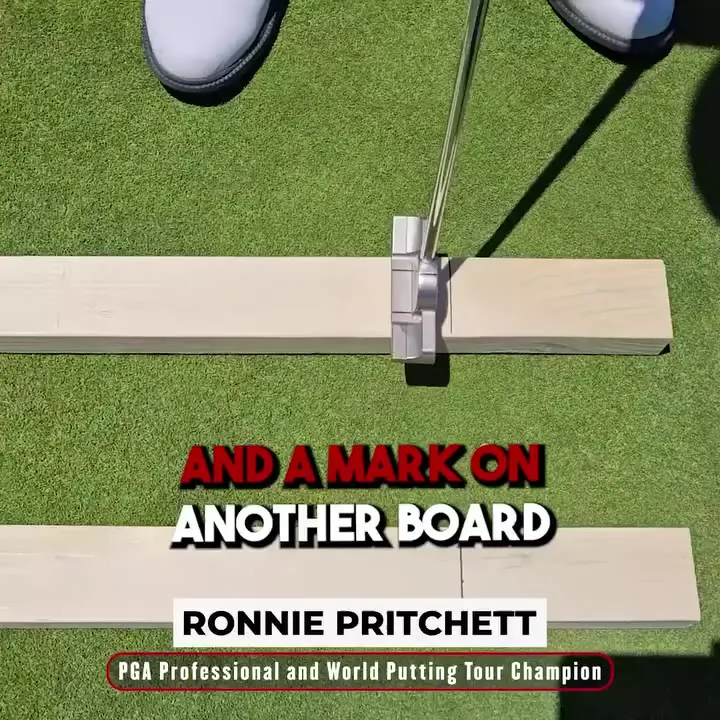
This is THE BEST putting aid and drill — and it costs less than $2. The 2x4s provide tactile feedback to help you develop a consistent putting stroke. Best for shorter backswing putts (~6 feet and under) — where you make or break your score.

Good drills build good strokes. A forgiving putter locks them in.

SHOP PUTTERS
BUILD A ROUTINE THAT HOLDS UP UNDER PRESSURE

Tip 02

BUILD A ROUTINE THAT HOLDS UP UNDER PRESSURE

A key to putting is building a routine that results in a solid putting stroke. This will help you putt better — especially when it matters most.

A putter you trust makes it easier to commit to your routine.

SHOP PUTTERS
ELIMINATE THE THREE-PUTT

Tip 03

ELIMINATE THE THREE-PUTT

Three-putts are the cardinal sin in golf. Follow along as Ronnie Pritchett shares the training that won him the 2011 U.S. Putting Tour Championship. Not everyone can hit a 300-yard drive — but everyone can sink a 20-foot putt.

Fewer three-putts start with the right equipment.

SHOP PUTTERS

Ronnie's Method

THE FUNDAMENTALS

The principles Ronnie Pritchett teaches every golfer who steps onto his practice green. Written for right-handed golfers — if you putt left-handed, swap left and right.

EVERY PUTT IS A STRAIGHT PUTT

Think of every putt as three points. Point A is the ball. Point B is the spot you start the ball toward. Point C is the cup.

Read the break, then pick your Point B the same distance away as the cup. If the putt breaks two feet left to right, Point B is two feet left of the hole. Aim the putter at B, roll the ball straight at it, and let gravity bring it down to C. On a straight putt, make the back of the cup your target.

ADDRESS THE CLUB, NOT THE BALL

The most common mistake is setting your feet first and aiming the putter second. Aim the putter first, then build your stance around it. Ronnie's routine:

  1. Grip — take it from behind the ball, with the toe of the putter pointing straight up so the face sets down square.
  2. Right foot — step in.
  3. Club head — set the putter behind the ball, aimed at your Point B.
  4. Left foot.
  5. Right foot — then one look at your target and make your stroke.

Repeat it on every putt, from three feet or fifty, and you'll be over the ball in the same position every time.

YOUR BACKSWING SETS THE DISTANCE

You never hit the ball when you putt. You swing the putter, and the ball gets in the way. A short putt gets a short backswing; a long putt gets a longer one. The tempo never changes.

To keep it smooth under pressure, Ronnie says two words to himself: “Back… through.” “Back” reminds him to complete the backswing, and “through” reminds him to finish.

HOLD YOUR FINISH

When you hit the ball, your stroke is only half finished. Swing your hands past your left leg and hold that finish until the ball stops rolling. Your hands stay with the putter head, and your stroke won't break down when the putt matters.

Keep your head still, too: set the putter just behind the ball, watch a blade of grass, and don't look up until the putter passes over it.

FAST DOWNHILL PUTTS

Don't try to hit a fast downhill putt all the way to the hole. Decide how far you actually need to hit it. On a quick 10-footer, that might be just two feet, with the slope rolling it the rest of the way.

To soften the hit even more, strike the ball slightly toward the toe on a right-to-left putt, or toward the heel on a left-to-right putt. If it misses, you're left with a tap-in, not a long one coming back up the hill.

On the Practice Green

PRACTICE DRILLS

Making putts on the practice green means nothing by itself. The goal is a stroke you can trust when a putt counts. Always practice with the ball you play — range balls have harder covers and will throw off your distance.

DISTANCE LADDER

Line up five balls five feet apart, starting at the cup, so you have putts of 5, 10, 15, 20, and 25 feet. Keep the same tempo on every putt and make each backswing a little longer. You'll learn exactly how far back the putter needs to go for each distance.

CIRCLE THE CUP

Lay your putter from the edge of the cup and set a ball at the end of the grip. Do it six times around the hole. Make all six in a row; miss one and start over. Once you can, move out to two putter lengths.

DRAWBACKS

No gimmes. Every time you miss, lay your putter behind where the ball stopped and move the ball back one putter length, keeping it in line with the cup. Keep putting until it drops. It's the best way to practice short putts under pressure.

PUTT OFF A TEE

From about 20 feet, push a tee down flush with the green and set a ball on it. Don't look up until you see the tee. It trains your head to stay still a fraction longer. Take the tee with you when you're done — tees aren't good for the mowers.

RIGHT HAND ONLY

Hit five putts with your left hand in your pocket, then one with both hands. With one hand, you can’t get away with a short backswing, and you’ll feel what a full, finished stroke is supposed to feel like. Hold the finish until the ball stops.

PUT THE TIPS
INTO PRACTICE.

A better stroke deserves a better putter. Find the Ashdon model built for your game.

ASHDON GOLF

Ashdon Golf Advisor

Welcome to Ashdon Golf. I can help with anything — putters, fitting, shipping, returns, warranty, or general questions about the brand. What can I help you with today?